


en
en v
Phone
Cart0 Tickets
Total: 0
Account
Calendar
Search
Menu

The Magic Flute

VenueGran Teatre del Liceu
CalendarMon 05 Jul 2027 - Thu 29 Jul 2027
Synopsis/Details

The Magic Flute – Wolfgang Amadeus Mozart

Singspiel in two acts.

Libretto by Emanuel Schikaneder based on the work Lulu, oder die Zauberflöte by A. J. Liebskind


A stage utopia in which music and image intertwine to build a bridge between opposing worlds

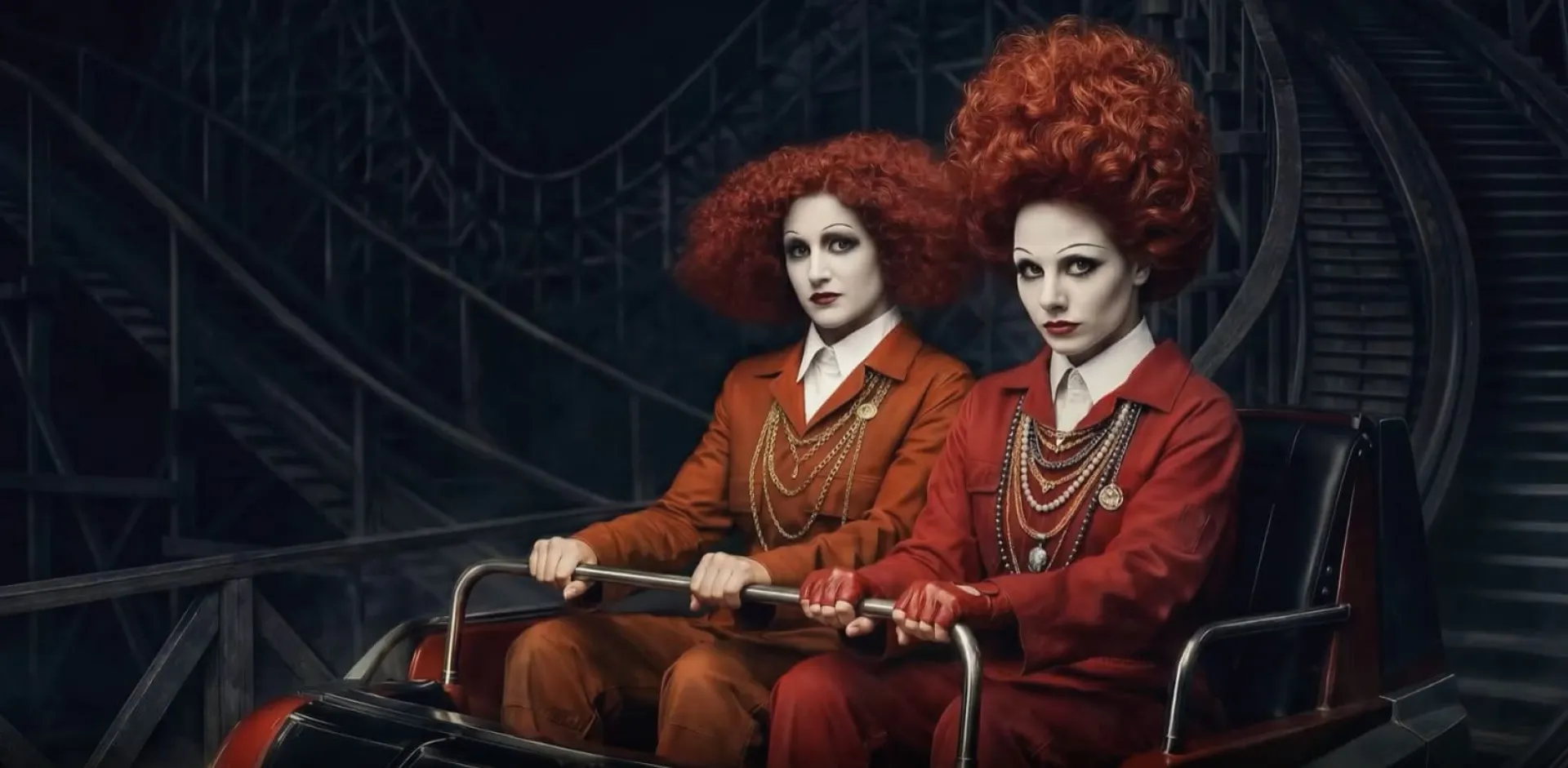
In this new production by Marcos Morau, choreographer and founder of La Veronal, and with Josep Pons, in his new role as honorary music director, at the helm of the orchestra of the Liceu, The Magic Flute is presented as an exceptional event: a stage utopia in which music and image intertwine to build a bridge between opposing worlds.

The wonder of Wolfgang Amadeus Mozart is much more than an initiatory tale dressed in fantasy. Among enchanted animals and ritual trials unfolds a symbolic universe in which the sacred and the profane coexist, confront each other and transform. The journey of Tamino and Pamina is a spiritual crossing: they overcome fears, silences and mirages to reach a form of knowledge that illuminates from within. In Sarastro’s solar temple, reason, wisdom and fraternity stand as ideals that order and liberate; each step of the ritual is a metaphor for the ascent of the soul from darkness toward discernment.


But no light exists without shadow. The Queen of the Night embodies the wounded force that becomes a storm, an ancient power transformed into vengeance. Her aria —as fascinating as it is abyssal— is a sacrilegious act: the order to kill in the name of filial love, where female authority ceases to protect and becomes destructive.

With his visionary music, Mozart turns this opera into a true secular liturgy. Even Papageno, with his radiant innocence, participates in this tension between desire and discipline, play and faith.

In the choreographic vision of Marcos Morau, the tale is reborn as an adult narrative that reminds us that the path of light always crosses shadow; that knowledge is never inherited, but conquered. And with the inspiring direction of Josep Pons, The Magic Flute culminates in an apotheosis of redemption: what seemed caricature becomes symbol, and what seemed magic is revealed as inner truth.

  • 🕒 Running time
    • approximately 2 hours 30 minutes
Cast

Sarastro: John Relyea (5, 7, 14, 19, 21, 24, 26 and 29 July)

Sarastro: Alex Rosen (6, 8, 18, 20, 23, 25 and 28 July)

Tamino: Jack Swanson (5, 7, 14, 19, 21, 24, 26 and 29 July)

Tamino: Ben Bliss (6, 8, 18, 20, 23, 25 and 28 July)

Speaker: Albert Dohmen

Priest / Men-at-arms: Albert Casals 

Priest / Men-at-arms: Jeroboám Tejera

Queen of the Night: Serena Sáenz (5, 7, 14, 19, 21, 24, 26 and 29 July)

Queen of the Night: Alina Wunderlin (6, 8, 18, 20, 23, 25 and 28 July)

Pamina: Sara Blanch (5, 7, 14, 19, 21, 24, 26 and 29 July)

Pamina: Chelsea Zurflüh (6, 8, 18, 20, 23, 25 and 28 July)

Lady: Patricia Calvache

Lady: Gemma Coma-Alabert 

Lady: Ana Victoria Pitts

Papagena: Lucía Iglesias

Papageno: Carles Pachon  (5, 7, 14, 19, 21, 24, 26 and 29 July)

Papageno: Jan Antem (6, 8, 18, 20, 23, 25 and 28 July)

Monostatos: Jorge Rodríguez Norton (5, 7, 14, 19, 21, 24, 26 and 29 July)

Monostatos: Pablo García-López (6, 8, 18, 20, 23, 25 and 28 July)


Stage direction and choreography - Marcos Morau, La Veronal

Set design - Max Glaenzel

Costume design - Sílvia Delagneau

Lighting design - Bernat Jansà

Dramaturgy - Roberto Fratini

Production by the Gran Teatre del Liceu in co-production with the Teatro Real and the Maestranza de Sevilla

Chorus of the Gran Teatre del Liceu - Director Pablo Assante

Symphony Orchestra of the Gran Teatre del Liceu - Conductor Josep Pons

Venue
Gran Teatre del Liceu

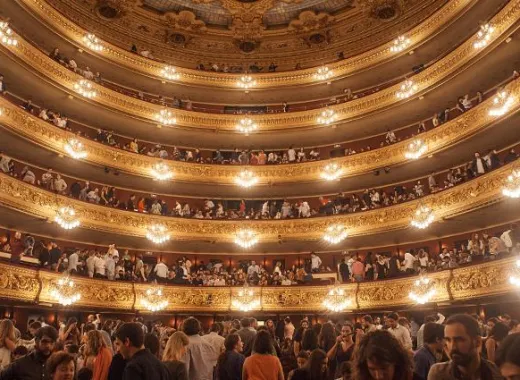
Barcelona's opera house, the Gran Teatre del Liceu, was founded on the Rambla in 1847 and has continued over the years to fulfil its role as a culture and arts centre and one of the symbols of the city.

Today it is publicly-owned (by the Government of Catalonia, Barcelona City Council, Barcelona Provincial Council and the Ministerio de Educación, Cultura y Deporte) and administered by the Fundació del Gran Teatre del Liceu which, in addition to the aforementioned bodies, incorporates the Patronage Council and the Societat del Gran Teatre del Liceu (the old society of owners).
 

Origins: From 1837 to 1847

The Liceu evolved out of the Sociedad Dramática de Aficionados (Society of theatre-lovers) set up in 1837 at the instigation of Manuel Gibert in the former convent of Montsió by members of the National Militia, an organization of armed citizens with liberal leanings.
Barcelona's economy and population were growing fast at the time and the city needed a music conservatory. This led to the conversion of the Sociedad Dramática into the Liceo Filármonico Dramático Barcelonés de S.M. la Reina Isabel II (Barcelona Dramatic and Philharmonic Lyceum of HM Queen Isabel II).  In addition to its theatrical activities, the new organization cultivated Italian-style singing and music.
 

The building on the Rambla

The original building was solemnly opened on 4 April 1847. The plans had been drawn up by Miquel Garriga i Roca, subsequently assisted by Josep Oriol Mestres. The project was funded by selling shares, which meant that many of the boxes and seats were to be privately owned. The shareholders formed the Societat del Gran Teatre del Liceu, known as the “Societat de Propietaris” (Society of Owners),  which was in sole charge of running the Gran Teatre del Liceu from 1855 onwards, after it was legally separated from the Conservatori del Gran Teatre del Liceu.
The theatre was operated by impresarios who were given a concession to stage a specific number of productions in exchange for the proceeds from the sale of tickets not reserved for the Societat itself. This system was to endure until 1980.
 

The creation of the Consortium

By the last quarter of the 20th century this management system was no longer viable. In 1980, to avert the danger of the disappearance of an institution of such worldwide cultural renown, the Generalitat  Catalonia's first government in modern times – set up a consortium, the Consorci del Gran Teatre del Liceu, which also incorporated Barcelona City Council and the Societat del Gran Teatre del Liceu. Barcelona Provincial Council joined the Consortium in 1985, followed by the Spanish Ministry of Culture in 1986. From then on the Consortium took over operation of the theatre.


Accomodation

Buy now

Gift vouchers

Gift someone an unforgettable night at the opera.
Choose a gift coupon and let them pick the performance they love—music, drama, and world-class artistry, all in one elegant experience.
Barcelona Opera Tickets
Facebook
Payment
© 2026 RM EUROPA TICKET GmbH
Whatsapp